The International Energy Agency (IEA) has called on India to accelerate its push toward mobility electrification, framing it as a crucial step in securing the nation’s energy future. IEA Executive Director Fatih Birol, during his meeting with Commerce and Industry Minister Piyush Goyal, emphasised that countries dependent on oil imports should proactively incentivise electric vehicle (EV) adoption.
“For a country like India, which is highly exposed to fluctuations in global oil prices, embracing electric cars is vital to reduce import dependence and gain greater control over its energy destiny,” Birol stated after the meeting, which took place during Minister Goyal’s three-day official visit.
Birol underscored that current low oil prices are not guaranteed, and the future remains uncertain due to geopolitical factors involving major oil producers. Introducing strong EV incentives, particularly for first-time buyers, would not only boost domestic energy security but also align with global trends, he said.
Electric vehicles set to dominate global auto markets
Highlighting global trends, Birol noted that the EV sector is witnessing unprecedented momentum. Just four years ago, EVs accounted for only 3% of car sales globally. In 2025, that figure has surged to 25%, or one in every four cars sold. This rapid adoption is being driven by decreasing EV costs and the economic advantage of powering vehicles with electricity rather than oil.
“Electric cars are becoming cost-competitive, and in most countries, running them per kilometre is cheaper than gasoline-powered vehicles—unless oil prices drop below $50 per barrel,” he said, predicting that EVs will dominate road traffic in the near future.
Also read: EV Scheme Offers Duty Cuts for $500M+ Investments
Energy transition risks grow with critical mineral concentration
Birol also raised concerns over the global supply chain for critical minerals—elements essential for EV batteries, chips, and defence technology. The IEA warned that increasing concentration in mining and processing of these materials poses serious long-term risks.
“The best energy security policy is diversification,” Birol stated, urging countries to invest in diversifying not just the mining but also the refining and processing of critical minerals. Without it, he warned, the world risks facing supply disruptions that could undermine clean energy progress.
India praised for leadership in solar, LED, and clean cooking
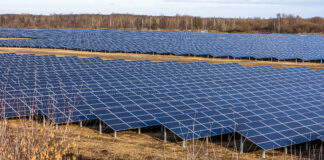
India’s strides in renewable energy were praised, particularly its achievements in solar deployment. The IEA also applauded successful government schemes such as the LED bulb programme and the Ujjwala initiative for clean cooking access, both of which have contributed to more sustainable and inclusive energy systems.
Calling the LED programme one of the most successful energy transition initiatives globally, Birol acknowledged its impact in reducing energy costs and improving grid stability. He credited Minister Goyal for architecting the programme, which has been instrumental in enhancing electrification while lowering environmental impact.